Unheard Voices in Documentary
Ever


Documentary films create ways to help share stories from people who are often ignored or misrepresented. When filmmakers include different voices, they make space for communities to tell their own stories. This creates visibility and more importantly challenges stereotypes, builds understanding, and gives insight into histories and cultures that might otherwise be overlooked. How a documentary presents these stories shapes how they are told and understood. A performative documentary focuses on personal storytelling and emotion, while a participatory documentary brings the filmmaker into direct interaction with the people being filmed. Both can highlight underrepresented communities, but they do so in different ways.
Bill Nichols talked about performative documentaries that have an emphasis on personal experience. These films use creative storytelling techniques like reenactments, poetic narration, and abstract visuals to express emotions and ideas. This style can be effective in showing the emotional impact of being part of an underrepresented group. But performative documentaries can also have limits. Because the filmmaker’s voice is central, the perspective of the larger community may be filtered through their interpretation.
In a participatory mode, the filmmaker interacts directly with the people being documented. This approach can be useful when representing underrepresented communities because it ensures that the people featured have a say in how they are portrayed. A good example is The Act of Killing (2012) by Joshua Oppenheimer. The subjects are asked to reenact their crimes, revealing their own perspectives on history. This film doesn’t focus on a marginalized group but it still shows how participatory methods can uncover hidden histories and challenge dominant narratives.
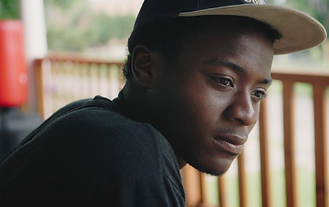
Minding the Gap (2018) by Bing Liu is another example of participatory filmmaking. Liu, both the filmmaker and a subject, follows his group of friends as they navigate adulthood and the effects of family trauma. His direct involvement with the subjects allows for intimate moments that might not have been possible with an outside filmmaker. The film highlights the struggles of young working class men facing abuse, financial hardship, and identity issues which are topics often ignored in media. Because Liu is both documenting and participating in the story, the film provides a personal and collective perspective.
A more recent example is Will & Harper (2024) which follows Will Ferrell and Harper Steele on a road trip as Steele, a transgender woman, explores her identity and experience with transition. The film balances elements of participatory and performative modes. Steele’s reflections and personal journey introduce performative elements, while the road trip structure and conversations between the two friends create a participatory feel. The film allows Steele to tell her story directly, while also presenting moments of emotional vulnerability that may not have emerged in a more traditional interview format.
This approach lets people tell their own stories, but it has challenges. When a filmmaker is present, people may change how they act or what they say. The interactions may not fully capture the complexity of a community's experience. Interviews can be direct, but they might not have the same emotional impact as a more creative approach.
Each style has its strengths. A performative documentary connects with the audience emotionally through personal storytelling and artistic elements. A participatory documentary offers more direct representation, letting people shape how their stories are told. Both have limits, but the right choice depends on the film's goal. If the goal is to show personal emotion and experience, a performative approach works well. If the goal is to give people a platform to speak, a participatory approach might be better. Both methods can help ensure underrepresented voices are heard and understood.